
We haven’t done a “What We Are Reading” in quite a while, but we are, of course, over here reading. Here are a few from the past couple of months that were at the top of my list. I picked two “non-work” books and two “work books.” Trying to live a balanced life over here. 🙂
My Friends By Fredrik Backman
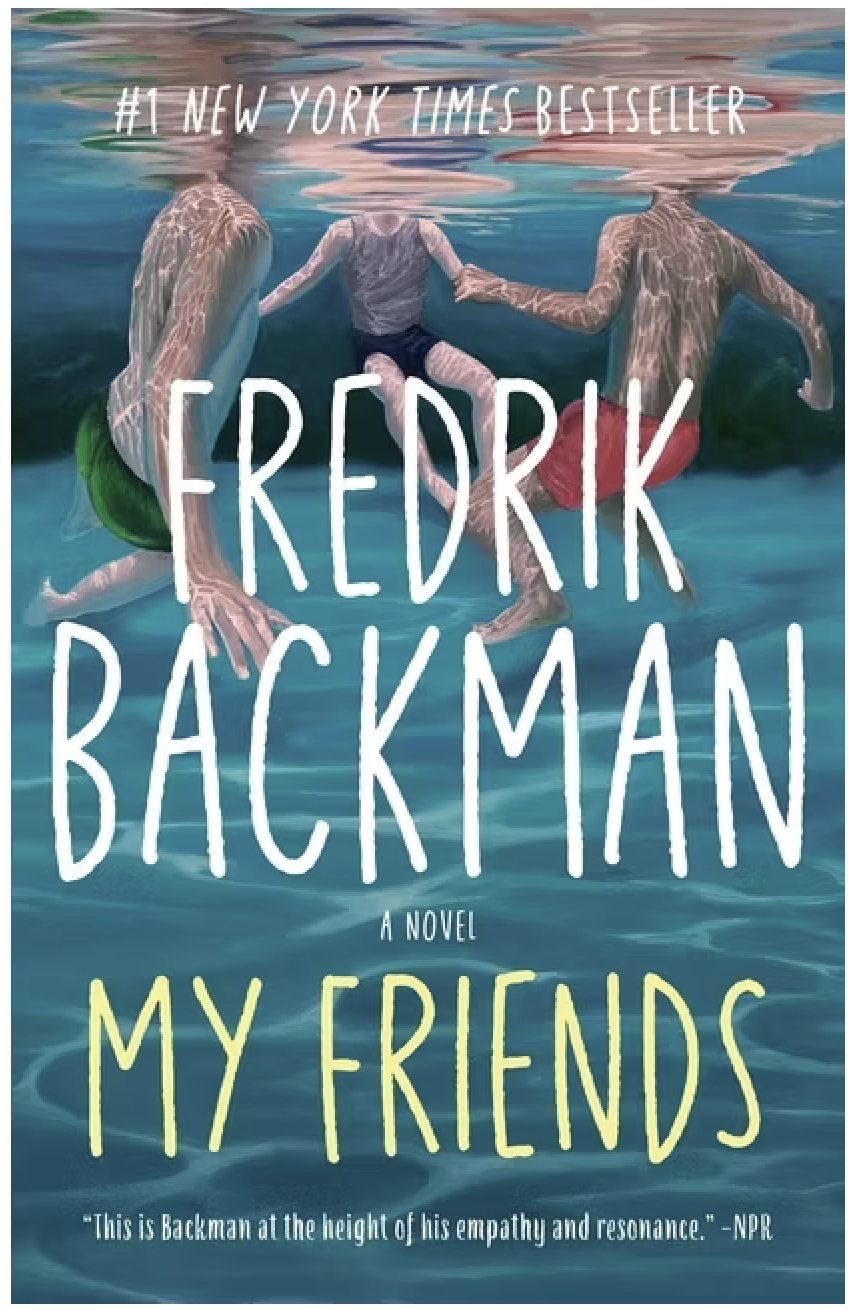
I Ioved this book. Loved.
Fredrik Backman, a wry, darkly funny Swedish author, was on my radar for his novel A Man Called Ove, which was adapted into the movie A Man Called Otto, starring Tom Hanks (both the original book and the movie adaptation are excellent).
Fredrik Backman, the man, is also endearingly funny and quirky — a super weird-o in the best possible way. HERE is a clip of a short speech he made about anxiety and procrastination at Simon & Schuster’s centennial celebration. It is worth the watch, particularly for anyone who has ever cleaned a grout line rather than begin the thing they supposedly care deeply about.
Okay. Enough tangents.
My Friends is achingly beautiful. It is a story about creativity, grief, survival, and the deep, unruly love of friendship and chosen family.
The novel moves between two timelines. In the present, a young woman named Louisa becomes connected to a famous painting that has held meaning for her for most of her life. Twenty-five years earlier, four teenagers spend a summer together on a pier, building the kind of friendship that becomes both refuge and life raft. Slowly, the two stories reveal what the painting contains—and whose lives it has carried forward.
What stayed with me was the book’s understanding that friendship is not a sentimental accessory to a life. Sometimes it is the thing that makes a life survivable. We save one another in small, clumsy, imperfect ways, often without ever knowing how much it mattered.
It is also a book about why people create. Not necessarily to become successful or important, but to hold on to something. To say: this happened. These people were here. We loved one another.
The story unfolds deliberately and out of order, so it takes a little patience at first. But if you like deeply human novels that make you laugh, wreck you emotionally, and then put you back together with slightly different parts, this one is for you.
The Land and Its People By David Sedaris
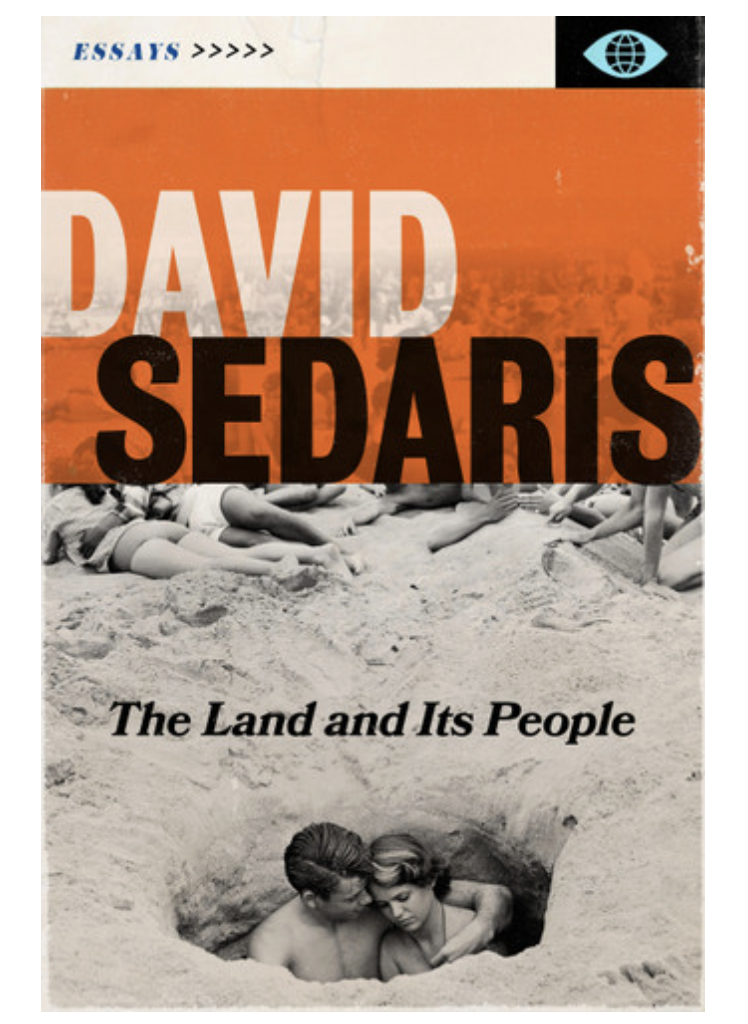
I am a huge David Sedaris fan, though I had not read anything of his in a couple of years. Picking up The Land and Its People felt a little like meeting an old friend for lunch and discovering that he is still hilarious, still mildly appalled by everyone around him, but has settled squarely into his “old man bitching” era with new complaints about technology and the indignities of aging.
In other words, it is right on brand.
This collection of essays finds Sedaris traveling, tending somewhat imperfectly to his longtime partner after hip surgery, navigating his sprawling family, revisiting old friendships, and observing strangers with the intense curiosity of someone who might be fascinated by you but should probably never be seated directly across from you on an airplane.
Sedaris has always been very good at saying the messy parts out loud. He is petty. Judgy. Vain. Occasionally, a little mean. He collects tiny observations and turns them into little arrows of cutting humor that somehow land as judgy but not quite judgmental. Does that even make any sense? Maybe it is because he includes himself in the indictment, acknowledging that he is just as ridiculous (if not more so) as everyone else in this strange world.
Beneath the crankiness, there is also tenderness. The essays in this book circle aging, grief, caretaking, and the strange durability of the people who have known us longest. He won’t admit that he has a squishy sentimental center, but he does.
The short vignettes also make this nearly perfect summertime reading. You can read one essay beside the pool, another before bed, and another while hiding from your children who are hungry a dozen times a day (is that just me?).
This book reminded me why I love Sedaris: the precision of his observations, the refusal to make himself look noble, and the way he can turn a small, awkward human encounter into something both ridiculous and unexpectedly tender.
Are You Mad at Me? By Meg Josephson
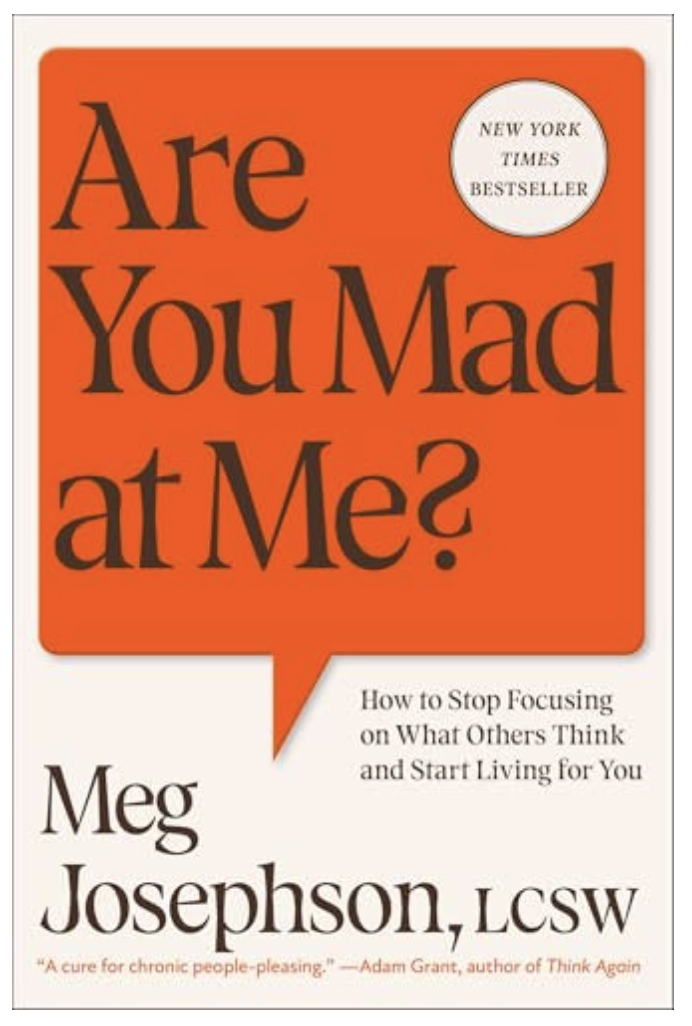
This is one of the two “work books” on this list. Let’s dig into the human behavior, fellow nerds.
This is a book about the fawn response, the much less discussed companion to fight, flight, and freeze. Instead of fighting a perceived threat, escaping it, or shutting down, the fawn response tries to appease it: become agreeable, useful, undemanding, and exquisitely attentive to everyone else’s emotional weather. In adult life, this can look like people-pleasing, over-functioning, compulsive reassurance-seeking, or rearranging yourself around another person’s mood.
What interested me was not the basic observation that people please. We have approximately nine million pastel Instagram slides about that. It was the way Josephson positions fawning alongside the other stress responses as a strategy that may once have helped someone preserve safety or connection, but continues to operate long after the original conditions have changed.
I am not entirely sure I bought everything in the book. “Trauma response” can become an awfully roomy explanation, and not every act of accommodation, generosity, or social sensitivity means your nervous system has staged a hostage negotiation. Gender, culture, hierarchy, and actual power differences also shape who learns to stay agreeable and why.
Still, this is one of the first books I have read that gives fawning sustained, accessible attention rather than treating it as an extra bullet point beneath fight, flight, and freeze.
There are deeper books in this territory. Pete Walker’s Complex PTSD: From Surviving to Thriving offers a much more developed trauma framework, and Nedra Glover Tawwab’s Set Boundaries, Find Peace moves readers toward practical behavioral change. Both are fascinating, but they ask more of the reader. They are written for people who have already decided to study their own patterns with some level of commitment.
Are You Mad at Me? has a lower barrier to entry. It translates the fawn response into the ordinary habits of daily life: reading the room, over-explaining, managing other people’s discomfort, and mistaking usefulness for safety.
Even where I still had questions, it gave me a more precise way to think about the difference between kindness freely chosen and helpfulness deployed to keep everyone calm enough to finally exhale. Definitely worth a read if people-pleasing is on your ingredient list.
Mistakes Were Made (But Not By Me) By Carol Tavris & Elliot Aronson
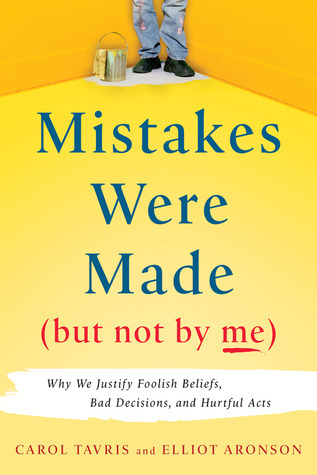
I totally loved this book, which is how I know that I am a nerd through and through.
At its core, Mistakes Were Made (But Not by Me) is about self-justification: the stories we build to preserve the belief that we are reasonable, competent, and basically good, even when the evidence has become inconvenient.
This is not a book about why bad people refuse to admit they are wrong. It is about how ordinary, intelligent, generally decent people slowly build stories that allow them to remain the hero, or at least the innocent bystander, in nearly every version of events.
One of the book’s most useful ideas is the “pyramid of choice.” Two people can begin in nearly the same place, make slightly different decisions, and then gradually move farther apart as each new choice is used to justify the one before it. Over time, what began as a small decision hardens into a belief, then an identity, then a worldview. By the time the two people reach opposite ends of the pyramid, each is baffled by the other’s certainty.
The book applies this pattern to relationships, politics, medicine, law enforcement, professional judgment, and memory itself. The stakes vary, but the mechanism is familiar: once we have invested in a decision, position, or version of events, new information is no longer just information. It is a threat to the story we have built about who we are.
That is what makes feedback so difficult. Admitting a mistake rarely feels like correcting a fact. It can feel like surrendering competence, goodness, status, or years of previous choices. Smart people are not immune. In some cases, they are simply more skilled at constructing sophisticated explanations for why they were right all along.
I loved this book because it makes self-awareness feel less like a trait some enlightened people possess and more like a discipline: the uncomfortable practice of noticing when our explanation is doing suspiciously convenient work.
So there you have it: four books about friendship, aging, people-pleasing, self-deception, and the elaborate stories we tell ourselves to get through a life. Light beach reading, obviously.
If you have read any of these, I would love to know what you thought, especially if you disagreed with me. And if you have read something recently that made you laugh, think, cry, or become temporarily insufferable because you needed everyone else to read it immediately, send it my way. A good book recommendation is literally my favorite thing.
Happy reading,
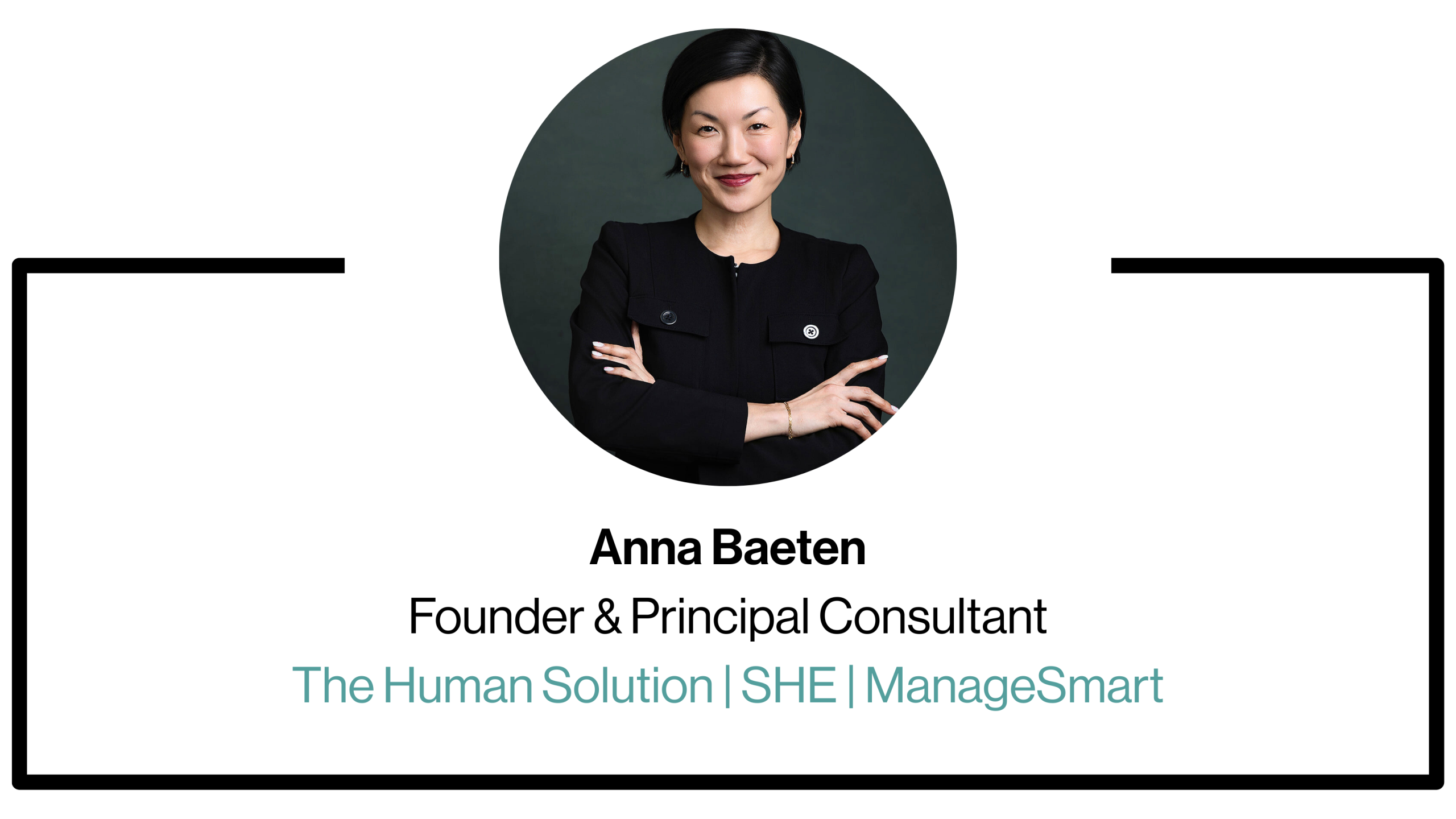
Anna
🧰 Free Leadership Resources:
The Creative Agility Index

The CAI was not designed to tell people whether they are creative. It assumes that to be human is to be a creative, meaning-making, storytelling being.
It asks the more interesting and useful questions:
How does creativity move through you?
Where do you navigate possibility?
How do you shape ideas?
The CAI is designed as a mirror for creative behavior and skills: a way to recognize your creative default, your growth edge, and the role you most naturally play in the life of an idea.
Because the world is not slowing down, and we all need to refine our skills of adaptation, reimagination, deconstruction, reconstruction, discernment, and critical thinking. All of these skills begin with self-awareness and curiosity.
Take the Quiz. Find Your Archetype.